

The National Book Month Giveaway
What's on the Mechanical Orchard bookshelf right now
|
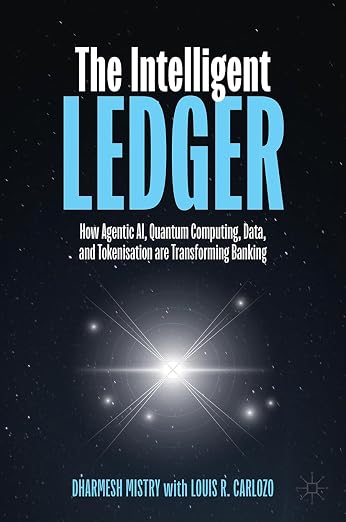
The Intelligent Ledger: How Agentic AI, Quantum Computing, Data, and Tokenisation are Transforming Banking–by Dharmesh MistryDharmesh examines how the convergence of digital twins, quantum computing, agentic artificial intelligence, and tokenization is reshaping the strategic foundations of banking. The book contextualizes the contemporary debates on digital transformation within a longer history of technological change in financial services and argues that the current moment represents a structural inflection rather than an incremental evolution.
|
|
|
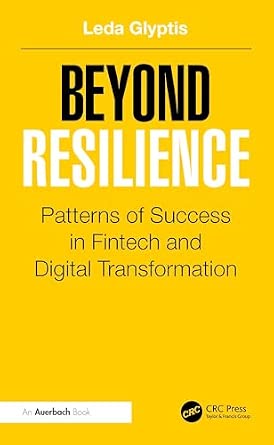
Beyond Resilience: Patterns of Success in Fintech and Digital Transformation–by Leda GlyptisIs success pattern-based? Is the journey of successfully building new banks or services (either from scratch or in the context of a going concern) predictable enough to be repeatable? And if there are patterns, are they within our gift to replicate? Filled with interviews from leading fintech entrepreneurs, Beyond Resilience strives to tell the whole truth about building new things.
|
|
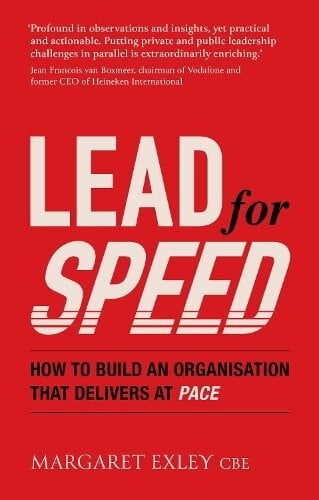
Lead for Speed: How to Build an Organisation that Delivers at Pace–by Margaret Exley, CBEWhy do some organizations consistently deliver while others struggle? Lead for Speed provides a practical blueprint for transforming organizational performance. It shows leaders in government, public services or private companies how to remove the barriers that hold progress back and build an organization capable of sustained delivery quickly and confidently.
|
|
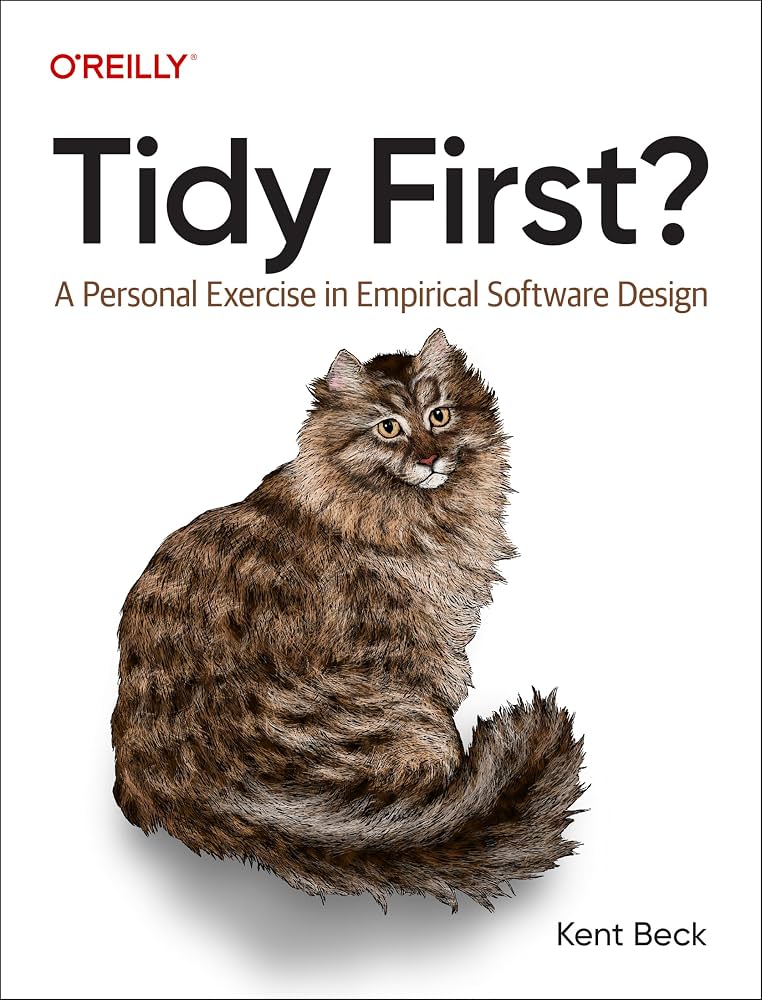
Tidy First? A Personal Exercise in Empirical Software Design–by Kent BeckMessy code is a nuisance. In this practical guide, Kent Beck, creator of Extreme Programming, suggests when and where you (or your genie) might apply tidyings to improve your code while keeping the overall structure of the system in mind. |
|
|
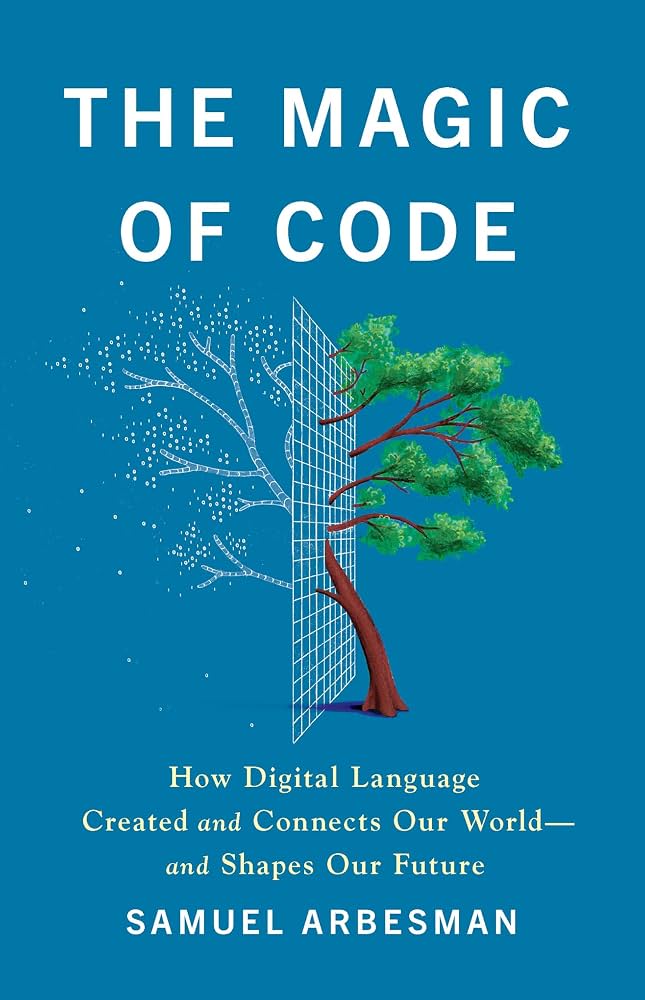
The Magic of Code: How Digital Language Created and Connects Our World―and Shapes Our Future–by Sam ArbesmanIn the digital world, code is the essential primary building block, the equivalent of the cell or DNA in the biological sphere. Samuel Arbesman lyrically argues that it is the ultimate connector, providing new insight and meaning into how everything from language and mythology to biblical texts, biology, even our patterns of thought connect with the history and nature of computing.
|